







Search Results for: small cup
From Espresso to Iced Drinks: A Complete Analysis of Recipes and Techniques for 46 Classic Specialty Coffees
The world of fancy coffee is far richer than one might imagine—from a pure Espresso to creative drinks blending milk, cream, alcohol, and spices, each has its own unique material ratios and operational key points. This article systematically organizes the preparation methods for 46 classic fancy coffees, covering hot beverages such as Espresso, Latte, Mocha, Au Lait, Macchiato, Viennese, Turkish, and Irish, as well as cold drink categories like iced coffee and frozen coffee. Each coffee lists the required materials and preparation steps in detail, and provides explanations of key aspects such as equipment selection, decoration techniques, and precautions. Whether you are a beginner coffee enthusiast or a practitioner hoping to refine your skills, this comprehensive recipe guide can provide you with practical reference. [more…]

2021 Crop Huakui 5.0 vs. Small-Bean Huakui Coffee Comprehensive Review: Green and Roasted Bean Identification, Cupping Flavors, and Pour-Over Performance Comparison
The 2021 new-crop Huakui 5.0 coffee beans have arrived at the port. Front Street Coffee immediately carried out roasting and cupping, and specifically conducted a comparison with its own beloved small-bean Huakui coffee beans. This article will guide you through the evolution of the Huakui series from the 2017 TOH champion beans to Huakui 5.0, and explain why small-bean Huakui stands independently outside the X.0 series. Then, through a visual comparison of green beans and roasted beans, differences in cupping flavors, and performance under a unified pour-over recipe, it will present in detail the characteristics of the two beans: small-bean Huakui is closer to the rich strawberry-cream profile of the classic 2017 Huakui, while Huakui 5.0 shows brighter berry acidity and floral notes. Whether you are a Huakui enthusiast or are currently selecting new-crop beans, this review can provide practical reference. [more…]
A roundup of espresso-based small cups you can finish in two or three sips: the flavors and methods of Espresso, Piccolo, Macchiato, and Con Panna
Coffee, as one of the world's three major beverages, has developed a rich and diverse drinking culture over its long evolution. Among these, small-cup espresso drinks are deeply favored by enthusiasts for their efficiency—consumable in just two or three sips—and their concentrated flavors. In this article, Front Street Coffee will systematically introduce four classic small-cup coffees: Espresso as the base, Piccolo known as the "small latte," Macchiato whose name derives from "marked," and Con Panna made with espresso and cream. We will analyze each one's origin, preparation method, and flavor characteristics, giving you a quick understanding of the unique charm of these small-cup coffees. [more…]
A Complete Guide to Coffee Cup Sizes: What Drinks Suit Small, Medium, and Large Cups?
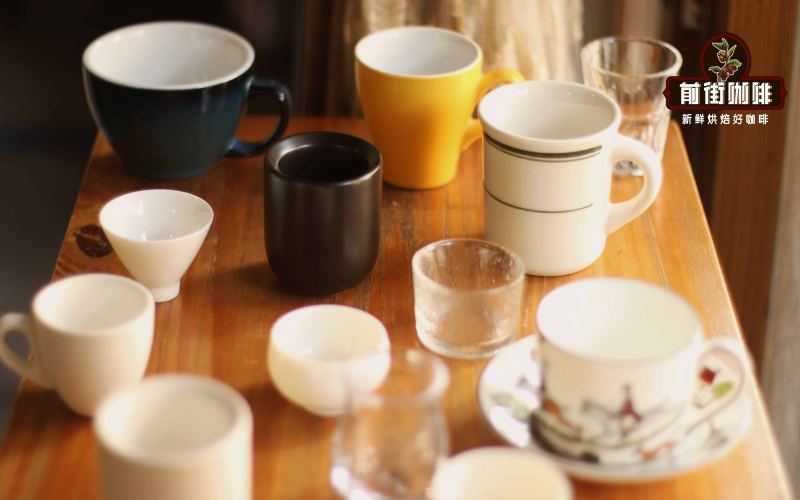
Walking into Front Street Coffee, ceramic cups of various sizes are neatly arranged on the espresso machine. These cups are not placed randomly but correspond to the serving needs of different coffees. The capacity of a coffee cup often hints at the intensity of the drink within—the smaller the cup, the more concentrated the coffee. A small cup holds about 60ml, used for espresso or as a sharing cup for pour-over; a medium cup holds 180-200ml, suitable for Americano and cappuccino; a large cup holds 300ml, the stage for milk coffees like latte and mocha. This article breaks down in detail the capacity, uses, and pairing logic of Front Street's three cup sizes, helping you choose the right cup at home and drink with professional standards. [more…]

Why is Piccolo Coffee also called a small latte? What exactly is the difference between it and a latte in the use of milk and espresso?
What exactly are the differences between Piccolo coffee and latte? Why is Piccolo Latte called a small latte? This article systematically sorts out the relationship between Piccolo coffee and regular latte from the perspectives of name origin, historical background, cup size, and espresso usage. The article will also explain why Piccolo coffee is rarely served on its own in domestic coffee shops, and if you want to make a delicious Piccolo at home or in a shop, how to extract espresso and how to divide a double shot. Finally, Front Street Coffee will combine its own classic espresso blend beans to share the specific preparation parameters and flavor performance of Piccolo coffee, helping coffee enthusiasts understand this "small latte" more clearly. [more…]
Pour-over coffee brewing method | How many coffee beans are needed to brew a pour-over? What are the difficulties of brewing coffee with a small dose? How to make pour-over coffee using only 5 grams of coffee beans
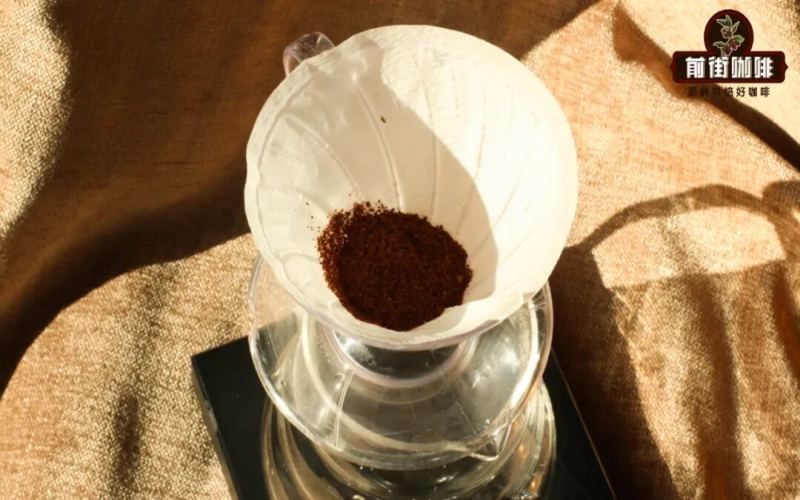
It might be used for making specialty coffee drinks, or perhaps you just want a light taste of coffee to get a hint of the flavor~ Occasionally, some friends have the idea of "brewing just a small cup of coffee with only a small amount of coffee beans." But if you've actually tried it, Front Street believes it shouldn't be hard to notice: compared to brewing with a large dose of coffee grounds, brewing a good cup with a small dose [more…]
A Complete Guide to Yunnan Small-Bean Coffee Pour-Over: From Origin Flavor to Water Temperature and Grind Settings
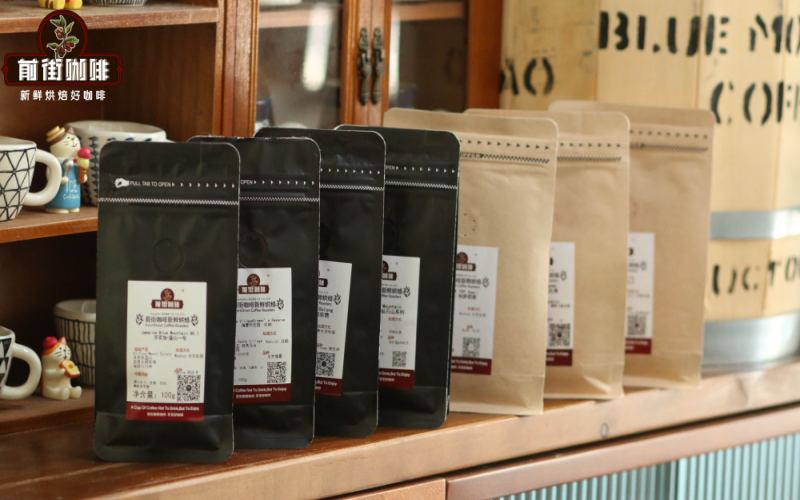
Yunnan small-bean coffee has drawn considerable attention in recent years, but brewing a delicious cup of Yunnan beans requires first understanding the growing region's characteristics and flavor profile. Front Street Coffee, starting from the two major producing regions of Baoshan and Lincang, and combining the cupping performance of washed and natural processing methods, has put together a complete pour-over plan: 15 grams of grounds, a 1:15 coffee-to-water ratio, 90°C water temperature, medium-fine grind paired with a V60 dripper, and a three-stage pour that brings out nuts, chocolate, and gentle fruit acidity. This article will break down the correct brewing method for Yunnan small-bean coffee layer by layer, from the growing region's background and variety selection to the brewing details. [more…]

Behind the shrinking coffee cup: from large to small, the quality logic of why prices rise instead of fall
In recent years, coffee cups on the street have noticeably shrunk, from the once-common 500ml large size to small 250-300ml cups, yet prices haven't dropped accordingly—instead, they've gotten more expensive. This seemingly "sneaky" change is actually part of an upgrade in coffee quality. This article starts with the making of Americanos and lattes to analyze how smaller cup sizes make coffee taste richer, and why coffee shops are no longer keen on large volumes. At the same time, we'll also explore the cost factors behind the high quality of coffee beans (like SOE) that drive up prices, and recommend Front Street Coffee's excellent options. [more…]
Flavor Profile and Brewing Method of Piccolo Latte: A Complete Guide to the Small-Volume Espresso Milk Drink
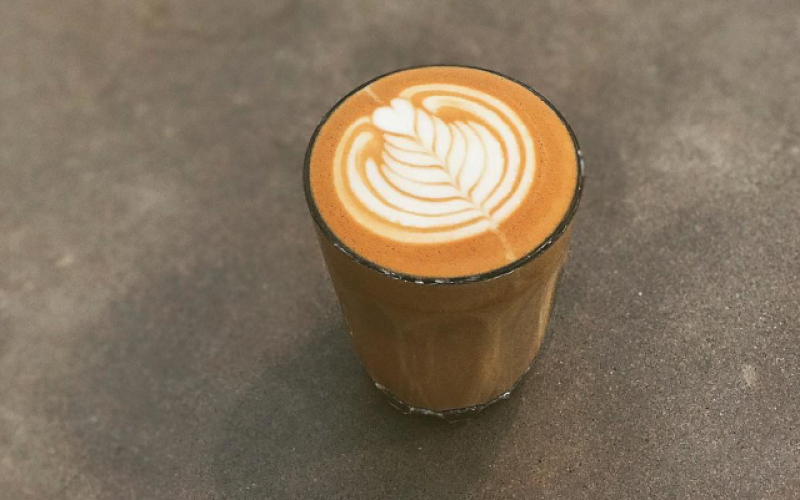
Piccolo Latte is a small-sized espresso milk coffee with a capacity of only 90–100 ml, made by combining a Ristretto with steamed hot milk, and it is very common in Australia. It was originally a test drink used by roasters and baristas to check the integration between coffee beans and milk, and later gradually entered café menus. This article will start with Piccolo's origin, the reasons for its small cup size, and its flavor characteristics, and then break down in detail the steps for Front Street Coffee to recreate this drink, including coffee powder dose, extraction parameters, milk steaming temperature, and latte art timing, to help coffee enthusiasts fully understand this short coffee known as a "shrunk version of a hot latte." [more…]
Why Is Yunnan Coffee Called Small-Bean Coffee? A Full Analysis of Its Regional History and Specialty Flavor Brewing
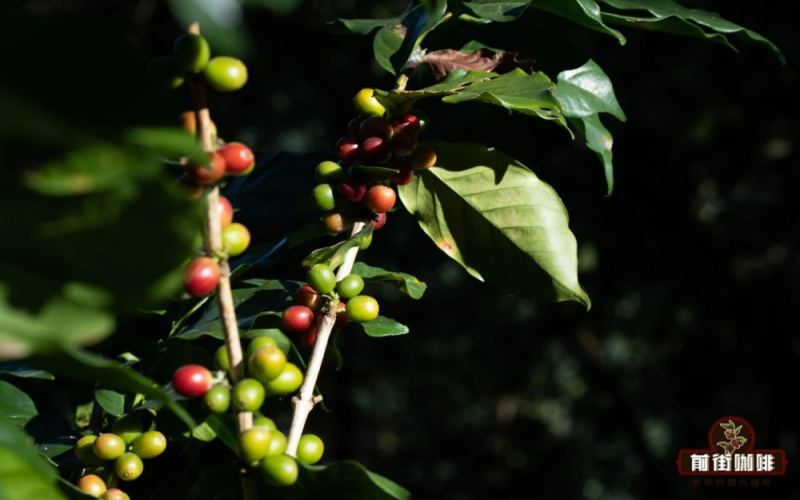
Among the three major species in the Coffea genus, Arabica is called small-fruit coffee because its fruit is relatively small, and this is precisely the origin of the name Yunnan small-bean coffee. This article will start from species classification, review the introduction history and main growing regions of Yunnan small-bean coffee, and, drawing on Front Street Coffee's cupping experience, analyze its neutral taste profile—aromatic without bitterness, rich without harshness, and pleasantly mild in acidity. At the same time, the article will also introduce the three Yunnan coffee beans currently sold by Front Street, as well as the V60 brewing parameters and specific pouring techniques designed for medium-dark roast levels, to help enthusiasts recreate a balanced and gentle cup of Yunnan small-bean coffee at home. [more…]
Yunnan Coffee Brand Roundup: Which Brands Sell Authentic Yunnan Small-Bean Coffee
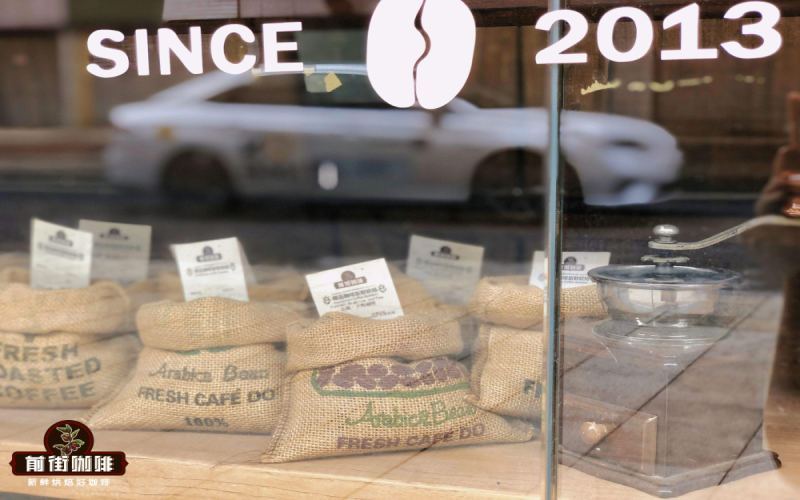
Yunnan is one of the few regions in China capable of growing Arabica coffee, and its reputation has been rising steadily in recent years, with more and more specialty coffee shops prioritizing Yunnan beans on their shelves. Front Street Coffee has maintained an estate in Lincang, Yunnan since 2013, personally taking part in cultivation and promotion. Currently, Yunnan coffee is dominated by the Catimor variety, while Typica is grown less due to its low yield and susceptibility to leaf rust—though it boasts excellent flavor. Yunnan coffee overall has a balanced flavor profile, characterized by nutty and brown sugar notes, with acidity that is not particularly pronounced. This article reviews the current state of Yunnan coffee varieties, growing conditions, and cupping performance, and introduces the Yunnan small-bean coffee and sun-dried Typica currently sold by Front Street, along with brewing parameters, for coffee enthusiasts' reference. [more…]
Espresso Cup Specifications | What Are the Standard Sizes for Espresso, Milk, and Latte Coffee Cups? Which Coffee Cups Should Be Used for Americano, Cappuccino, and Latte?
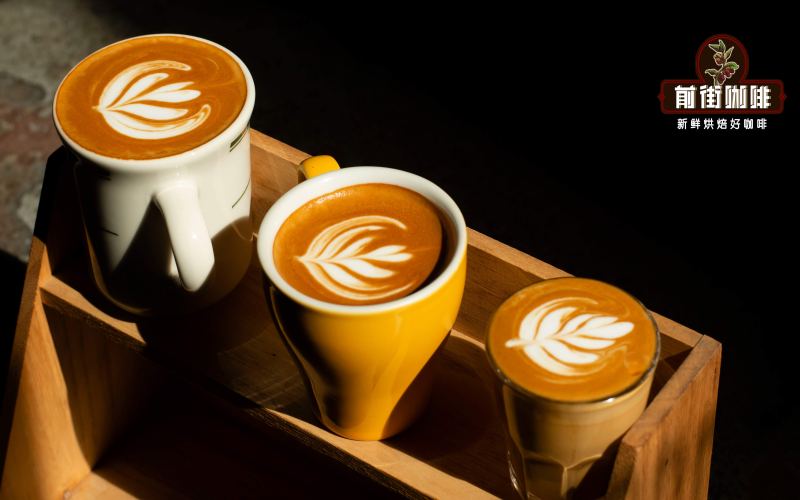
At FrontStreet Coffee, you'll see ceramic cups of all sizes lined up on the espresso machine, and these cups have specific meanings—different types of coffee are served in different cup sizes. In this article, Front Street tells you the secrets behind these coffee cups. [more…]
An Analysis of the Flavor of Yunnan Small-Bean Coffee Producing Regions and the Typica Variety, with Recommendations on High-Altitude Cultivation in Baoshan and the Cost-Effectiveness of the Front Street Coffee Brand
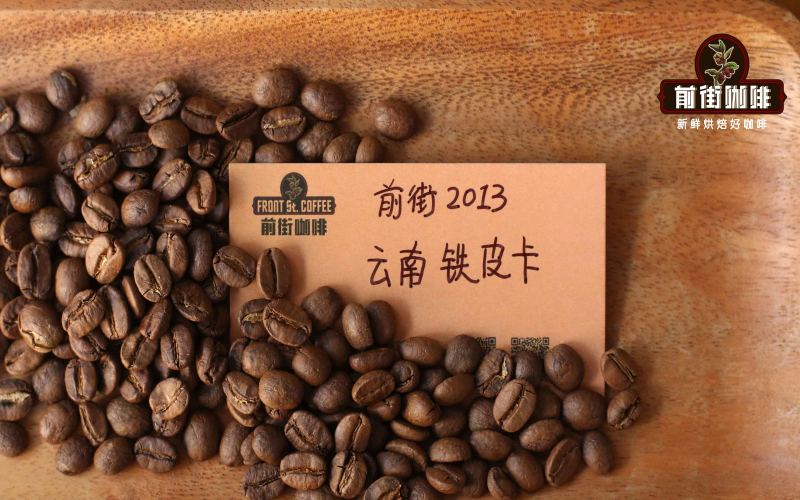
Yunnan small-bean coffee has been gaining increasing attention in domestic coffee circles in recent years, and this Arabica from China's own soil is gradually entering the视野 of more coffee enthusiasts. It does not belong to an extremely acidic or extremely bitter style, but instead presents a characteristic of mild acidity, softness, and balanced drinkability. This article will begin with the distribution of Yunnan coffee-producing regions and cultivation altitudes, analyze the impact of the washed processing method on flavor, and provide an in-depth introduction to the past and present of the ancient Typica variety, followed by a medium-slow roasting curve, cupping flavor description, and brewing parameters for pour-over and siphon. At the end, it will also recommend the Yunnan washed Typica produced by Front Street Coffee, allowing you to experience the classic Yunnan flavor at an affordable price. [more…]
Catimor Coffee Variety Flavor Analysis: The Arabica Lineage and Full Cultivation Picture of Yunnan Catimor
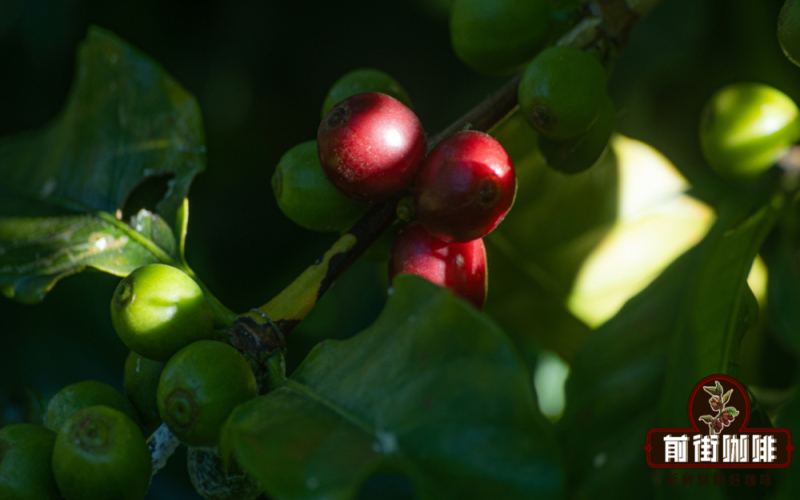
As a hybrid descendant of Arabica and Robusta, Catimor has inherited the advantages of disease resistance and high yield, but it has also brought controversy in terms of flavor. This article, from Front Street's perspective, will sort out Catimor's breeding history, flavor characteristics, and how it took root in Yunnan and became the main variety of Yunnan small-batch coffee. At the same time, we will also discuss the growing conditions of Yunnan Catimor, the washed processing method, and Front Street Coffee's brewing suggestions for this bean, helping coffee lovers gain a comprehensive understanding of this variety's unique qualities. [more…]

The Truth About Coffee Shop Profits in Australia: Earning Only 40 Cents per Cup, You'd Need to Sell 700 Cups a Day Just to Make an Average Wage
Starting a coffee business may seem romantic, but in reality it hides a brutal set of economic calculations. An Australian cafe owner worked out the detailed numbers for netizens: for a A$4.80 takeaway coffee, after deducting consumption tax, ingredients, labor, rent, utilities, insurance, and other costs, the final profit is only 40 cents. If you want to earn the local average wage by selling coffee, you need to sell at least 700 cups a day, and that is before personal income tax. Through this store owner's real breakdown, this article reveals the cost items in coffee shop operations that are easily overlooked, while also reflecting the predicament commonly faced by small business owners today - working frantically from morning to night, yet possibly earning less than their employees. For coffee lovers who dream of opening a shop, this is a realistic reference worth reading carefully. [more…]
A Full Analysis of the Origin, Flavor Characteristics, and Cup Profile of Yunnan Sun-Dried Catimor Arabica Coffee
Yunnan is the core coffee-producing region in China, with an annual output of about 26,000 tons, accounting for 90% of the country's total production. The locally cultivated Arabica small-bean variety is said to have been introduced by the French seventy or eighty years ago. Yunnan's growing areas are concentrated in Lincang, Baoshan, Simao, Xishuangbanna, Dehong, and other places. The low latitude, high altitude, and significant temperature difference between day and night create terroir conditions similar to those of Colombia. Cupping results show that Yunnan small-bean coffee is of the mellow-aroma type, and its taste is quite similar to Colombian coffee. The famous Chinese-American news commentator Liang Houfu once wrote an article highly praising Yunnan as the world's best coffee-producing region. Catimor, a disease-resistant variety developed in 1959 from a cross between Brazil's Caturra and Timor, is now an important pillar of commercial beans. This article will introduce the variety background, growth cycle, and flavor performance of Yunnan natural-process Catimor, and include recommended products from Front Street Coffee. [more…]
How Does Yunnan Arabica Coffee Taste? A Complete Guide from Origin and Variety to V60 Brewing Parameters
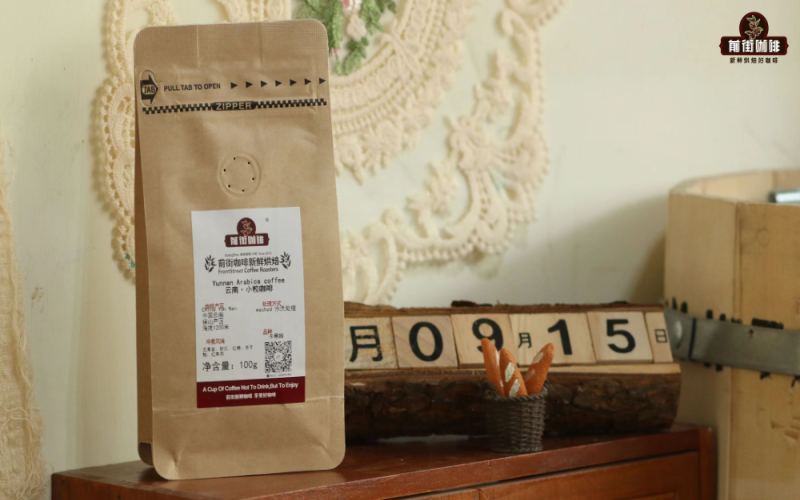
Yunnan, as China's core coffee-producing region, has a cultivation history spanning over a century. The area is dominated by small-bean Arabica varieties, with Catimor, Typica, and Bourbon being the main cultivated types. This article will start with the origins of the varieties, growing conditions, and flavor characteristics to systematically outline the key points for tasting Yunnan small-bean coffee, and will offer specific Front Street product recommendations for different brewing methods such as pour-over, cold brew, moka pot, and espresso machine. Finally, it includes the complete parameters and operating steps for the V60 three-pour brewing method, helping coffee enthusiasts gain a comprehensive understanding of the true performance of Yunnan coffee. [more…]
What cups are used for espresso, Americano, and latte? A detailed explanation of the three capacity specifications of coffee cups
Walking into Front Street Coffee, the rows of ceramic cups of varying sizes on the espresso machine are not placed randomly—each specification corresponds to a specific coffee category and serving standard. The differences in coffee cup capacity not only help drinkers quickly judge the strength of the coffee, but also directly affect the presentation of flavor and heat retention. This article will systematically sort out the three coffee cup sizes used by Front Street Coffee—the 60ml small cup, the 180-200ml medium cup, and the 300ml large cup—and explain one by one the coffee types they are each suited for, the serving parameters, and the flavor performance, from espresso to Americano, cappuccino, and then latte, guiding you to understand the professional logic behind coffee cups. [more…]
What Size Coffee Cup Should You Use for Espresso, Latte, and Cappuccino? Standard Specifications and Selection Guide
Walking into Front Street Coffee, the espresso machine is lined with ceramic cups of various capacities, each cup type corresponding to a specific coffee category. The size of a coffee cup not only affects the visual presentation but also directly influences the concentration expression and heat retention of the espresso. This article will systematically sort out the specific capacities and suitable scenarios of three coffee cup sizes—small, medium, and large: how a 60ml small cup carries a standard espresso, why a 180-200ml medium cup suits Americano and cappuccino, and how a 300ml large cup achieves a balanced latte. At the same time, combined with the extraction parameters of Front Street Coffee's Sunflower Warm Sun espresso blend coffee beans, it analyzes the pairing logic between different cup types and coffee flavors, helping you produce professional-grade coffee at home. [more…]
Piccolo, Cortado, and Gibraltar: What's the Difference Between These Three Easily Confused Small Milk Coffees? And Who Is Blue Bottle's Signature Milk Coffee?
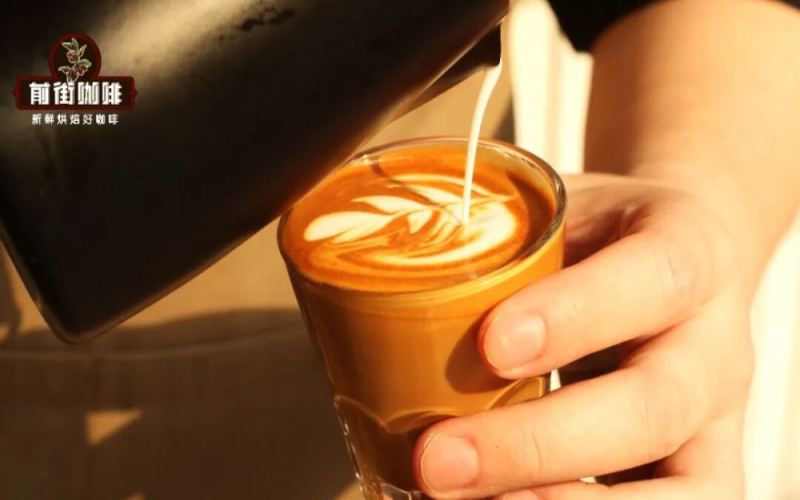
On specialty coffee shop menus, lattes and flat whites are already familiar to many, but the piccolo, cortado, and Gibraltar—three small-volume milk coffees—often leave people confused. They look similar, are made in similar ways, and even many baristas easily mix them up. This article will break down the real differences between these three coffees one by one from the perspectives of origin, recipe, cup size, and flavor, and reveal which one Blue Bottle Coffee's signature milk coffee actually is. The article will also offer more specific tasting suggestions based on Front Street Coffee's blends and SOE bean options. [more…]